Knowledge Base
When you’re under pressure to secure a Commercial EPC, the last thing you need is more paperwork. We get it—you have bigger business goals to focus on, and compliance can feel like just another hurdle.
To help you navigate the process, we’ve broken down the essentials below. If you still have questions, we’re always here to help. Give us a call at 01273 074 744 or drop us an email—we’re always happy to chat.

Sections
Explore The Knowledge Base
Commercial EPC Basics
If you're new to Commercial Energy Performance Certificates (EPCs), this section explains the fundamentals. Learn what a Commercial EPC is, who needs one, how long it remains valid and how the assessment process works. Whether you're a landlord, property owner, commercial agent or tenant, these answers will help you understand your responsibilities and avoid unnecessary delays during a sale, letting or lease renewal.
What is a Commercial EPC?
A Commercial Energy Performance Certificate (EPC) is an official document that measures the energy efficiency of a non-domestic building. The certificate provides a rating from A (most efficient) to G (least efficient) and includes a Recommendation Report outlining potential improvements that could increase the building's energy performance. Commercial EPCs are required for most commercial properties when they are sold, rented or newly constructed. The certificate helps prospective buyers and tenants understand how efficiently a building uses energy and whether improvements may be needed in the future. The assessment considers factors such as the building's construction, insulation, heating systems, cooling systems, ventilation, lighting and glazing. Once completed, the certificate is lodged on the national EPC register and remains valid for ten years. Think of a Commercial EPC as an energy health check for your building. It provides a standardised way of comparing commercial properties and has become increasingly important due to Minimum Energy Efficiency Standards (MEES) regulations.
What is a Commercial EPC?
A Commercial Energy Performance Certificate (EPC) is an official document that measures the energy efficiency of a non-domestic building. The certificate provides a rating from A (most efficient) to G (least efficient) and includes a Recommendation Report outlining potential improvements that could increase the building's energy performance. Commercial EPCs are required for most commercial properties when they are sold, rented or newly constructed. The certificate helps prospective buyers and tenants understand how efficiently a building uses energy and whether improvements may be needed in the future. The assessment considers factors such as the building's construction, insulation, heating systems, cooling systems, ventilation, lighting and glazing. Once completed, the certificate is lodged on the national EPC register and remains valid for ten years. Think of a Commercial EPC as an energy health check for your building. It provides a standardised way of comparing commercial properties and has become increasingly important due to Minimum Energy Efficiency Standards (MEES) regulations.
Do I Need a Commercial EPC?
In most cases, yes. A Commercial EPC is required whenever a commercial property is sold, rented, newly constructed or subject to certain lease transactions. The regulations apply to many different types of commercial premises, including offices, shops, warehouses, industrial units, medical facilities, educational buildings and mixed-use developments. Most landlords and property owners first encounter EPC requirements when marketing a building for sale or letting. However, EPC compliance can also become important during lease renewals, refinancing arrangements and property portfolio reviews. There are some exemptions for specific building types and circumstances, but these are less common than many people assume. If you are unsure whether your property requires an EPC, obtaining professional advice before marketing the building can help avoid delays and compliance issues later.
Do I Need a Commercial EPC?
In most cases, yes. A Commercial EPC is required whenever a commercial property is sold, rented, newly constructed or subject to certain lease transactions. The regulations apply to many different types of commercial premises, including offices, shops, warehouses, industrial units, medical facilities, educational buildings and mixed-use developments. Most landlords and property owners first encounter EPC requirements when marketing a building for sale or letting. However, EPC compliance can also become important during lease renewals, refinancing arrangements and property portfolio reviews. There are some exemptions for specific building types and circumstances, but these are less common than many people assume. If you are unsure whether your property requires an EPC, obtaining professional advice before marketing the building can help avoid delays and compliance issues later.
How long is a commercial EPC valid for?
A Commercial EPC remains valid for 10 years from the date it is lodged on the national register. During this period, the certificate can usually be reused for future sales, lettings and lease renewals, provided no significant changes have been made to the building that would materially affect its energy performance. Many property owners are surprised to discover that an EPC already exists for their building. Before commissioning a new assessment, it is often worth checking the national EPC register to see whether a valid certificate is already in place. Once an EPC expires, a new assessment will normally be required before the property can be sold, let or remarketed. Checking expiry dates early can help prevent last-minute delays when a transaction is already underway.
How long is a commercial EPC valid for?
A Commercial EPC remains valid for 10 years from the date it is lodged on the national register. During this period, the certificate can usually be reused for future sales, lettings and lease renewals, provided no significant changes have been made to the building that would materially affect its energy performance. Many property owners are surprised to discover that an EPC already exists for their building. Before commissioning a new assessment, it is often worth checking the national EPC register to see whether a valid certificate is already in place. Once an EPC expires, a new assessment will normally be required before the property can be sold, let or remarketed. Checking expiry dates early can help prevent last-minute delays when a transaction is already underway.
Who Can Issue a Commercial EPC Certificate?
Only an accredited Non-Domestic Energy Assessor (NDEA) can produce and lodge a valid Commercial EPC. The assessor must belong to an approved accreditation scheme and use government-approved software to calculate the building's energy performance rating. During the assessment, information is collected about the building's size, construction, heating systems, cooling systems, ventilation and lighting before the certificate is generated. When choosing an assessor, it is worth confirming that they are properly accredited and experienced with your type of property. Assessing a small retail unit is very different from assessing a warehouse, office block, medical centre or industrial facility. Many property owners choose to work directly with an accredited assessor rather than through a lead-generation company or broker. This often results in clearer communication, faster turnaround times and a smoother assessment process.
Who Can Issue a Commercial EPC Certificate?
Only an accredited Non-Domestic Energy Assessor (NDEA) can produce and lodge a valid Commercial EPC. The assessor must belong to an approved accreditation scheme and use government-approved software to calculate the building's energy performance rating. During the assessment, information is collected about the building's size, construction, heating systems, cooling systems, ventilation and lighting before the certificate is generated. When choosing an assessor, it is worth confirming that they are properly accredited and experienced with your type of property. Assessing a small retail unit is very different from assessing a warehouse, office block, medical centre or industrial facility. Many property owners choose to work directly with an accredited assessor rather than through a lead-generation company or broker. This often results in clearer communication, faster turnaround times and a smoother assessment process.
How do I apply for a commercial EPC certificate?
Obtaining a Commercial EPC is usually a straightforward process. The first step is to contact an accredited Non-Domestic Energy Assessor and request a quotation. Once the instruction is confirmed, a site survey will be arranged at a convenient time. During the assessment, the surveyor will inspect the building, collect measurements and record details about the construction, heating, cooling, lighting and ventilation systems. This information is then entered into approved software to calculate the EPC rating. After the calculations have been completed, the certificate and Recommendation Report are lodged on the national register and issued electronically. Most assessments can be arranged and completed within a few working days, although larger and more complex buildings may require additional survey time.
How do I apply for a commercial EPC certificate?
Obtaining a Commercial EPC is usually a straightforward process. The first step is to contact an accredited Non-Domestic Energy Assessor and request a quotation. Once the instruction is confirmed, a site survey will be arranged at a convenient time. During the assessment, the surveyor will inspect the building, collect measurements and record details about the construction, heating, cooling, lighting and ventilation systems. This information is then entered into approved software to calculate the EPC rating. After the calculations have been completed, the certificate and Recommendation Report are lodged on the national register and issued electronically. Most assessments can be arranged and completed within a few working days, although larger and more complex buildings may require additional survey time.
Where can I get a commercial EPC for my property?
A Commercial EPC can only be obtained through an accredited Non-Domestic Energy Assessor. Many property owners begin by searching online for terms such as "Commercial EPC near me", "Commercial EPC assessor" or "Commercial EPC for commercial property". While there are numerous companies offering EPC services, it is important to ensure that the assessment is being carried out by a qualified and accredited professional. When comparing providers, it is worth considering: Accreditation status Experience with similar building types Turnaround times Fixed pricing Geographic coverage Direct access to the assessor At Certus Commercial, we provide Commercial EPC assessments for offices, retail units, warehouses, industrial buildings and other commercial properties throughout Brighton, Sussex and the South East. If you're unsure what type of assessment you require, we're always happy to provide guidance before you book.
Where can I get a commercial EPC for my property?
A Commercial EPC can only be obtained through an accredited Non-Domestic Energy Assessor. Many property owners begin by searching online for terms such as "Commercial EPC near me", "Commercial EPC assessor" or "Commercial EPC for commercial property". While there are numerous companies offering EPC services, it is important to ensure that the assessment is being carried out by a qualified and accredited professional. When comparing providers, it is worth considering: Accreditation status Experience with similar building types Turnaround times Fixed pricing Geographic coverage Direct access to the assessor At Certus Commercial, we provide Commercial EPC assessments for offices, retail units, warehouses, industrial buildings and other commercial properties throughout Brighton, Sussex and the South East. If you're unsure what type of assessment you require, we're always happy to provide guidance before you book.
Commercial EPC Requirements
Understanding when a Commercial EPC is legally required can help avoid delays, compliance issues and unnecessary costs. Whether you're selling a commercial property, granting a new lease, renewing an existing tenancy or preparing a vacant building for the market, these are the most common questions we receive from landlords, property owners, solicitors and commercial agents.
What are the Current Commercial EPC Requirements?
Most commercial properties in England and Wales require a valid Commercial Energy Performance Certificate (EPC) when they are sold, let, newly constructed or subject to certain lease transactions. The EPC provides an energy efficiency rating from A (most efficient) to G (least efficient) and remains valid for 10 years. Commercial landlords must also consider Minimum Energy Efficiency Standards (MEES). Under current regulations, most commercial properties must achieve a minimum EPC rating of E before they can be legally let, unless a recognised exemption applies. Requirements can vary depending on building type, occupancy status and whether any exemptions apply. If you're unsure whether your building requires an EPC, it is always worth checking before marketing the property or entering into lease negotiations.
What are the Current Commercial EPC Requirements?
Most commercial properties in England and Wales require a valid Commercial Energy Performance Certificate (EPC) when they are sold, let, newly constructed or subject to certain lease transactions. The EPC provides an energy efficiency rating from A (most efficient) to G (least efficient) and remains valid for 10 years. Commercial landlords must also consider Minimum Energy Efficiency Standards (MEES). Under current regulations, most commercial properties must achieve a minimum EPC rating of E before they can be legally let, unless a recognised exemption applies. Requirements can vary depending on building type, occupancy status and whether any exemptions apply. If you're unsure whether your building requires an EPC, it is always worth checking before marketing the property or entering into lease negotiations.
When is a Commercial EPC Legally Required?
A Commercial EPC is legally required whenever a commercial property is sold, rented, newly built or marketed for sale or lease. The certificate should be available to prospective buyers or tenants at the earliest opportunity rather than after terms have been agreed. In most cases, the EPC should be commissioned before the property is advertised on the market. Landlords, property owners and commercial agents all have responsibilities to ensure compliance with EPC regulations. While some exemptions exist, most offices, retail units, warehouses, industrial premises and commercial buildings will require a valid EPC during a transaction.
When is a Commercial EPC Legally Required?
A Commercial EPC is legally required whenever a commercial property is sold, rented, newly built or marketed for sale or lease. The certificate should be available to prospective buyers or tenants at the earliest opportunity rather than after terms have been agreed. In most cases, the EPC should be commissioned before the property is advertised on the market. Landlords, property owners and commercial agents all have responsibilities to ensure compliance with EPC regulations. While some exemptions exist, most offices, retail units, warehouses, industrial premises and commercial buildings will require a valid EPC during a transaction.
Do I Need a Commercial EPC Before Selling a Commercial Building?
Yes. In most cases, a valid Commercial EPC is required before a commercial building can be marketed for sale. The EPC provides prospective purchasers with information about the building's energy efficiency and forms part of the due diligence process during the transaction. Many solicitors and commercial agents will request confirmation that a valid EPC exists before progressing a sale. If a valid EPC already exists and is less than 10 years old, it can usually be reused provided no significant alterations have been made to the property. Checking the EPC register before commissioning a new assessment may save time and unnecessary expense.
Do I Need a Commercial EPC Before Selling a Commercial Building?
Yes. In most cases, a valid Commercial EPC is required before a commercial building can be marketed for sale. The EPC provides prospective purchasers with information about the building's energy efficiency and forms part of the due diligence process during the transaction. Many solicitors and commercial agents will request confirmation that a valid EPC exists before progressing a sale. If a valid EPC already exists and is less than 10 years old, it can usually be reused provided no significant alterations have been made to the property. Checking the EPC register before commissioning a new assessment may save time and unnecessary expense.
Do I Need a Commercial EPC When Letting Commercial Property?
Yes. A valid Commercial EPC is generally required before a commercial property can be let to a new tenant. The certificate should be made available to prospective tenants and will often form part of the marketing information provided by agents and landlords. In addition to obtaining an EPC, landlords should ensure the property complies with current Minimum Energy Efficiency Standards (MEES). Most commercial properties must achieve an EPC rating of E or above before they can be legally let, unless a valid exemption has been registered. Obtaining an EPC early in the process can help avoid delays once a tenant has been found.
Do I Need a Commercial EPC When Letting Commercial Property?
Yes. A valid Commercial EPC is generally required before a commercial property can be let to a new tenant. The certificate should be made available to prospective tenants and will often form part of the marketing information provided by agents and landlords. In addition to obtaining an EPC, landlords should ensure the property complies with current Minimum Energy Efficiency Standards (MEES). Most commercial properties must achieve an EPC rating of E or above before they can be legally let, unless a valid exemption has been registered. Obtaining an EPC early in the process can help avoid delays once a tenant has been found.
Do I Need a Commercial EPC for a Lease Renewal?
In many cases, yes. A lease renewal is often treated similarly to the granting of a new tenancy, meaning a valid Commercial EPC may be required as part of the transaction. This is particularly important where the existing certificate has expired or where the property's EPC rating could affect compliance with current MEES regulations. Many landlords only discover that an EPC has expired once lease negotiations are already underway. Checking the status of the certificate early can help prevent delays and ensure the renewal process runs smoothly.
Do I Need a Commercial EPC for a Lease Renewal?
In many cases, yes. A lease renewal is often treated similarly to the granting of a new tenancy, meaning a valid Commercial EPC may be required as part of the transaction. This is particularly important where the existing certificate has expired or where the property's EPC rating could affect compliance with current MEES regulations. Many landlords only discover that an EPC has expired once lease negotiations are already underway. Checking the status of the certificate early can help prevent delays and ensure the renewal process runs smoothly.
Do Vacant Commercial Properties Require an EPC?
Often, yes. A commercial property does not become automatically exempt from EPC requirements simply because it is vacant. If the building is being marketed for sale or lease, a valid Commercial EPC will usually still be required. The EPC relates to the building itself rather than whether it is currently occupied. Empty offices, warehouses, retail units and industrial premises frequently require an EPC before they can be advertised to prospective buyers or tenants. However, certain exemptions may apply depending on the condition, intended use or future redevelopment plans for the property.
Do Vacant Commercial Properties Require an EPC?
Often, yes. A commercial property does not become automatically exempt from EPC requirements simply because it is vacant. If the building is being marketed for sale or lease, a valid Commercial EPC will usually still be required. The EPC relates to the building itself rather than whether it is currently occupied. Empty offices, warehouses, retail units and industrial premises frequently require an EPC before they can be advertised to prospective buyers or tenants. However, certain exemptions may apply depending on the condition, intended use or future redevelopment plans for the property.
What Happens If I Don't Have a Commercial EPC?
If a Commercial EPC is legally required and one is not provided, the property owner may face enforcement action and financial penalties. Failure to obtain an EPC can also delay sales, lettings and lease transactions. Solicitors, surveyors, lenders and commercial agents often request confirmation that a valid certificate exists before progressing a transaction. In addition to potential penalties, a missing EPC can create unnecessary complications during legal due diligence and may discourage buyers or tenants from proceeding. Obtaining an EPC before marketing a property is usually the simplest and most cost-effective approach.
What Happens If I Don't Have a Commercial EPC?
If a Commercial EPC is legally required and one is not provided, the property owner may face enforcement action and financial penalties. Failure to obtain an EPC can also delay sales, lettings and lease transactions. Solicitors, surveyors, lenders and commercial agents often request confirmation that a valid certificate exists before progressing a transaction. In addition to potential penalties, a missing EPC can create unnecessary complications during legal due diligence and may discourage buyers or tenants from proceeding. Obtaining an EPC before marketing a property is usually the simplest and most cost-effective approach.
What is the Penalty for not Having a Commercial EPC?
Where a Commercial EPC is required but has not been obtained, enforcement authorities can issue financial penalties. For commercial properties, penalties are generally linked to the property's rateable value and can range from hundreds to several thousand pounds depending on the circumstances. Importantly, paying a fine does not remove the obligation to obtain the EPC. The certificate will still be required to achieve compliance with the regulations and complete most property transactions. For this reason, arranging an EPC before marketing a commercial property is almost always the simplest solution.
What is the Penalty for not Having a Commercial EPC?
Where a Commercial EPC is required but has not been obtained, enforcement authorities can issue financial penalties. For commercial properties, penalties are generally linked to the property's rateable value and can range from hundreds to several thousand pounds depending on the circumstances. Importantly, paying a fine does not remove the obligation to obtain the EPC. The certificate will still be required to achieve compliance with the regulations and complete most property transactions. For this reason, arranging an EPC before marketing a commercial property is almost always the simplest solution.
Commercial EPC Costs & Timescales
One of the most common questions we receive is, "How much does a Commercial EPC cost?" The answer depends on the size, complexity and use of the building being assessed. In this section, we explain how Commercial EPC pricing works, what factors influence the cost, how long a survey takes and how quickly you can receive your certificate.
How Much Does a Commercial EPC Cost?
The cost of a Commercial EPC depends on several factors, including the size, complexity and use of the building being assessed. A small retail unit or office will generally cost less than a large warehouse, industrial facility or multi-storey commercial property. Unlike domestic EPCs, commercial assessments require detailed modelling of the building's construction, heating systems, lighting, ventilation and cooling equipment. The amount of survey work involved can vary considerably from one property to another. At Certus Commercial, we provide fixed quotations based on the information available. There are no hidden fees, and wherever possible we aim to provide a clear price before the survey is arranged. Providing floor plans or existing building information can often help speed up the process and reduce assessment costs.
How Much Does a Commercial EPC Cost?
The cost of a Commercial EPC depends on several factors, including the size, complexity and use of the building being assessed. A small retail unit or office will generally cost less than a large warehouse, industrial facility or multi-storey commercial property. Unlike domestic EPCs, commercial assessments require detailed modelling of the building's construction, heating systems, lighting, ventilation and cooling equipment. The amount of survey work involved can vary considerably from one property to another. At Certus Commercial, we provide fixed quotations based on the information available. There are no hidden fees, and wherever possible we aim to provide a clear price before the survey is arranged. Providing floor plans or existing building information can often help speed up the process and reduce assessment costs.
How is Commercial EPC Pricing Calculated?
Commercial EPC pricing is generally based on the amount of work required to survey and model the building accurately. Larger and more complex buildings require more time on site, more data collection and more detailed calculations. Factors that commonly influence pricing include: Total floor area Number of floors Building layout and complexity Heating and cooling systems Air conditioning and ventilation equipment Availability of floor plans Property location Travel requirements Building use and occupancy type A straightforward warehouse may take significantly less time to assess than a mixed-use building containing offices, retail space and complex mechanical services. For this reason, professional assessors usually provide quotations based on the individual property rather than a standard rate card.t
How is Commercial EPC Pricing Calculated?
Commercial EPC pricing is generally based on the amount of work required to survey and model the building accurately. Larger and more complex buildings require more time on site, more data collection and more detailed calculations. Factors that commonly influence pricing include: Total floor area Number of floors Building layout and complexity Heating and cooling systems Air conditioning and ventilation equipment Availability of floor plans Property location Travel requirements Building use and occupancy type A straightforward warehouse may take significantly less time to assess than a mixed-use building containing offices, retail space and complex mechanical services. For this reason, professional assessors usually provide quotations based on the individual property rather than a standard rate card.t
Can Floor Plans Reduce the Cost of a Commercial EPC Assessment?
Yes. Providing accurate floor plans can often reduce both the cost and turnaround time of a Commercial EPC assessment. When plans are available, the assessor can review the building layout before attending site and may spend less time measuring the property during the survey. This can be particularly beneficial for larger offices, warehouses, industrial buildings and multi-unit commercial premises. Floor plans also improve the accuracy of the assessment by providing clear information about room layouts, dimensions and building configuration. If plans are available, it is always worth supplying them when requesting a quotation, as they can help streamline the assessment process and reduce survey time.
Can Floor Plans Reduce the Cost of a Commercial EPC Assessment?
Yes. Providing accurate floor plans can often reduce both the cost and turnaround time of a Commercial EPC assessment. When plans are available, the assessor can review the building layout before attending site and may spend less time measuring the property during the survey. This can be particularly beneficial for larger offices, warehouses, industrial buildings and multi-unit commercial premises. Floor plans also improve the accuracy of the assessment by providing clear information about room layouts, dimensions and building configuration. If plans are available, it is always worth supplying them when requesting a quotation, as they can help streamline the assessment process and reduce survey time.
Why do Commercial EPC Prices Vary so Much?
Commercial EPC prices can vary significantly because every commercial building is different. A small lock-up shop with basic lighting and heating may take less than an hour to survey, while a large office building, warehouse, medical facility or industrial site can require several hours on site and considerably more time to model accurately. Factors that influence the cost include: Building size Number of storeys Complexity of the layout Heating and cooling systems Air conditioning installations Ventilation equipment Mixed-use occupancy Availability of floor plans Site location It's also worth remembering that the cheapest quotation is not always the best value. An experienced Non-Domestic Energy Assessor can often identify compliance issues early, explain the implications of the EPC rating and provide guidance on future MEES requirements. The most accurate way to obtain a Commercial EPC price is to request a tailored quotation based on the specific building rather than relying on generic online estimates.
Why do Commercial EPC Prices Vary so Much?
Commercial EPC prices can vary significantly because every commercial building is different. A small lock-up shop with basic lighting and heating may take less than an hour to survey, while a large office building, warehouse, medical facility or industrial site can require several hours on site and considerably more time to model accurately. Factors that influence the cost include: Building size Number of storeys Complexity of the layout Heating and cooling systems Air conditioning installations Ventilation equipment Mixed-use occupancy Availability of floor plans Site location It's also worth remembering that the cheapest quotation is not always the best value. An experienced Non-Domestic Energy Assessor can often identify compliance issues early, explain the implications of the EPC rating and provide guidance on future MEES requirements. The most accurate way to obtain a Commercial EPC price is to request a tailored quotation based on the specific building rather than relying on generic online estimates.
How Long Does a Commercial EPC Survey Take?
The length of a Commercial EPC survey depends on the size and complexity of the property. A small office, retail unit or commercial premises may take as little as 30 to 60 minutes to inspect. Larger offices, warehouses, industrial facilities and multi-storey commercial buildings can take several hours depending on their layout and installed services. Factors that can influence survey duration include: Total floor area Number of floors Building complexity Access to plant rooms Heating and cooling systems Air conditioning installations Availability of floor plans Providing plans and arranging access to all areas in advance can often reduce survey times and help speed up delivery of the final certificate.
How Long Does a Commercial EPC Survey Take?
The length of a Commercial EPC survey depends on the size and complexity of the property. A small office, retail unit or commercial premises may take as little as 30 to 60 minutes to inspect. Larger offices, warehouses, industrial facilities and multi-storey commercial buildings can take several hours depending on their layout and installed services. Factors that can influence survey duration include: Total floor area Number of floors Building complexity Access to plant rooms Heating and cooling systems Air conditioning installations Availability of floor plans Providing plans and arranging access to all areas in advance can often reduce survey times and help speed up delivery of the final certificate.
How Quickly Can I Receive My EPC Certificate?
In most cases, a Commercial EPC can be produced and issued within a few working days of the site survey. Once the inspection has been completed, the survey information must be processed using approved software before the certificate is lodged on the national EPC register. The EPC and Recommendation Report are then issued electronically. Turnaround times can vary depending on: Building size and complexity Availability of supporting information Current workload Urgency of the instruction If you are working towards a sale, lease completion or renewal deadline, it is always worth mentioning this when requesting a quotation. Where possible, urgent Commercial EPC assessments can often be prioritised to meet transaction timescales.
How Quickly Can I Receive My EPC Certificate?
In most cases, a Commercial EPC can be produced and issued within a few working days of the site survey. Once the inspection has been completed, the survey information must be processed using approved software before the certificate is lodged on the national EPC register. The EPC and Recommendation Report are then issued electronically. Turnaround times can vary depending on: Building size and complexity Availability of supporting information Current workload Urgency of the instruction If you are working towards a sale, lease completion or renewal deadline, it is always worth mentioning this when requesting a quotation. Where possible, urgent Commercial EPC assessments can often be prioritised to meet transaction timescales.
Commercial EPC Ratings & MEES Regulations
Commercial EPC ratings have become increasingly important for landlords, investors and property owners due to Minimum Energy Efficiency Standards (MEES) regulations. A building's EPC rating can affect its ability to be let, its attractiveness to tenants and potentially its long-term value. This section explains current EPC requirements, MEES regulations and the proposed changes that many commercial property owners are now preparing for.
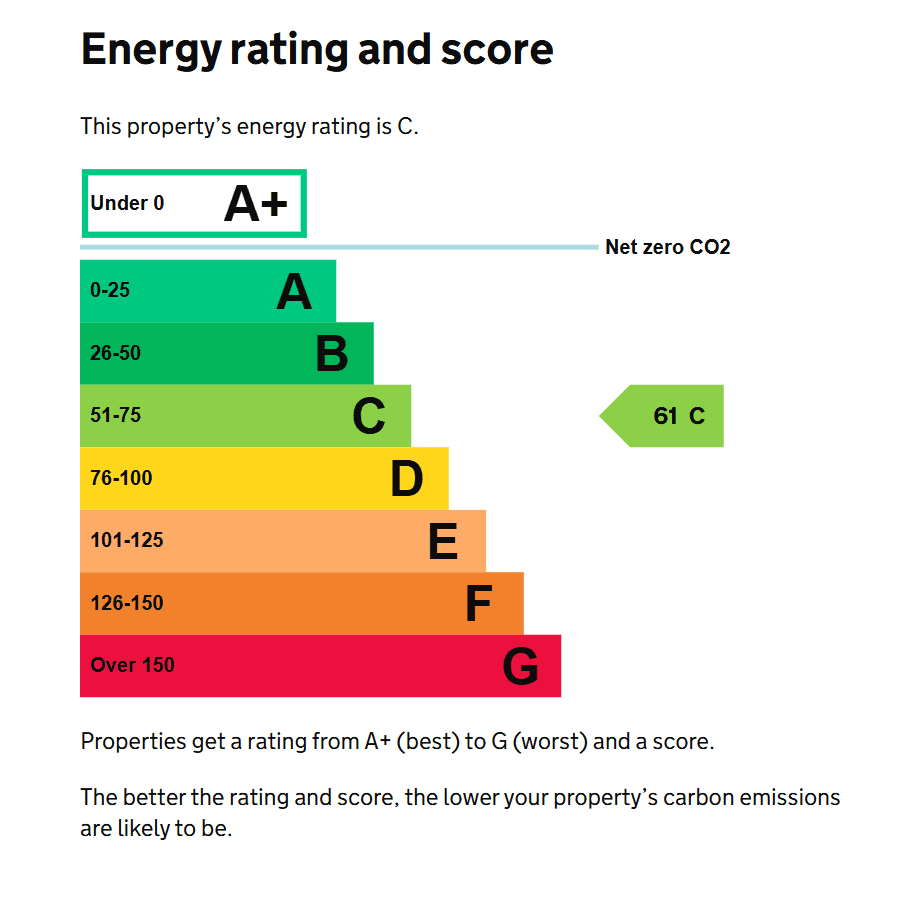
Commercial EPC Rating Guide:
A-B: Excellent energy performance
C: Meets proposed future targets
D-E: Currently lettable but may require future improvements
F-G: May be subject to MEES restrictions
What is the Minimum EPC Rating for Commercial Property?
Under current Minimum Energy Efficiency Standards (MEES), most commercial properties must achieve a minimum EPC rating of E before they can be legally let. Properties with an EPC rating of F or G are generally considered sub-standard and may be subject to restrictions unless a valid exemption has been registered. The regulations apply to many commercial property types, including offices, retail units, warehouses, industrial premises and mixed-use buildings. While the current minimum standard remains EPC E, property owners should be aware that future regulations may require higher standards. Understanding your building's current rating can help you plan ahead and avoid potential compliance issues in the future.xt
What is the Minimum EPC Rating for Commercial Property?
Under current Minimum Energy Efficiency Standards (MEES), most commercial properties must achieve a minimum EPC rating of E before they can be legally let. Properties with an EPC rating of F or G are generally considered sub-standard and may be subject to restrictions unless a valid exemption has been registered. The regulations apply to many commercial property types, including offices, retail units, warehouses, industrial premises and mixed-use buildings. While the current minimum standard remains EPC E, property owners should be aware that future regulations may require higher standards. Understanding your building's current rating can help you plan ahead and avoid potential compliance issues in the future.xt
What is MEES for Commercial Property?
MEES stands for Minimum Energy Efficiency Standards. These regulations were introduced to improve the energy efficiency of commercial buildings and reduce carbon emissions across the property sector. MEES sets the minimum EPC rating that most rented commercial properties must achieve before they can be legally let. Currently, the minimum standard is an EPC rating of E. Buildings that fall below this threshold may require improvement works or a registered exemption before they can continue to be rented. MEES is now a key consideration for landlords, property investors, managing agents and commercial surveyors because compliance can directly affect a property's ability to generate rental income.
What is MEES for Commercial Property?
MEES stands for Minimum Energy Efficiency Standards. These regulations were introduced to improve the energy efficiency of commercial buildings and reduce carbon emissions across the property sector. MEES sets the minimum EPC rating that most rented commercial properties must achieve before they can be legally let. Currently, the minimum standard is an EPC rating of E. Buildings that fall below this threshold may require improvement works or a registered exemption before they can continue to be rented. MEES is now a key consideration for landlords, property investors, managing agents and commercial surveyors because compliance can directly affect a property's ability to generate rental income.
What Happens if my Commercial Property has an F or G Rating?
An EPC rating of F or G can create significant challenges for landlords and property owners. Under current MEES regulations, most commercial properties with an F or G rating cannot be legally let unless a valid exemption has been registered. This can affect rental income, property value, refinancing opportunities and the overall marketability of the building. The good news is that many lower-rated properties can often be improved through relatively straightforward energy efficiency measures. Common improvements include: Upgrading lighting to LED systems Installing modern heating controls Improving insulation Replacing inefficient boilers Upgrading glazing Improving ventilation systems Every Commercial EPC includes a Recommendation Report which highlights measures that may improve the property's rating and future compliance position.
What Happens if my Commercial Property has an F or G Rating?
An EPC rating of F or G can create significant challenges for landlords and property owners. Under current MEES regulations, most commercial properties with an F or G rating cannot be legally let unless a valid exemption has been registered. This can affect rental income, property value, refinancing opportunities and the overall marketability of the building. The good news is that many lower-rated properties can often be improved through relatively straightforward energy efficiency measures. Common improvements include: Upgrading lighting to LED systems Installing modern heating controls Improving insulation Replacing inefficient boilers Upgrading glazing Improving ventilation systems Every Commercial EPC includes a Recommendation Report which highlights measures that may improve the property's rating and future compliance position.
Can I Still Let a Commercial Property With a Low EPC Rating?
It depends on the rating and whether a valid exemption applies. Commercial properties with an EPC rating of E or above can generally continue to be let under current regulations. However, properties rated F or G are usually considered sub-standard and may not be legally lettable unless a recognised exemption has been registered. Some exemptions may apply where improvement works are not technically feasible, are not cost-effective or would negatively affect the character of certain protected buildings. These exemptions must normally be formally recorded and are subject to specific rules and time limits. If your building has a low EPC rating, it is sensible to review your options as early as possible rather than waiting until a lease event or property transaction arises.
Can I Still Let a Commercial Property With a Low EPC Rating?
It depends on the rating and whether a valid exemption applies. Commercial properties with an EPC rating of E or above can generally continue to be let under current regulations. However, properties rated F or G are usually considered sub-standard and may not be legally lettable unless a recognised exemption has been registered. Some exemptions may apply where improvement works are not technically feasible, are not cost-effective or would negatively affect the character of certain protected buildings. These exemptions must normally be formally recorded and are subject to specific rules and time limits. If your building has a low EPC rating, it is sensible to review your options as early as possible rather than waiting until a lease event or property transaction arises.
How Can I Improve my Commercial EPC Rating?
There are several ways to improve a Commercial EPC rating, although the most effective measures will depend on the age, construction and services within the building. Common improvement measures include: Upgrading to LED lighting Installing modern heating controls Improving roof, wall or floor insulation Replacing inefficient boilers Upgrading windows and glazing Improving ventilation systems Installing renewable technologies where appropriate Some improvements may deliver significant gains at relatively modest cost, while others require more substantial investment. Every building is different, which is why the Recommendation Report included with your EPC can be a useful starting point. Improving an EPC rating can help future-proof a property against changing regulations and make it more attractive to prospective tenants and purchasers.
How Can I Improve my Commercial EPC Rating?
There are several ways to improve a Commercial EPC rating, although the most effective measures will depend on the age, construction and services within the building. Common improvement measures include: Upgrading to LED lighting Installing modern heating controls Improving roof, wall or floor insulation Replacing inefficient boilers Upgrading windows and glazing Improving ventilation systems Installing renewable technologies where appropriate Some improvements may deliver significant gains at relatively modest cost, while others require more substantial investment. Every building is different, which is why the Recommendation Report included with your EPC can be a useful starting point. Improving an EPC rating can help future-proof a property against changing regulations and make it more attractive to prospective tenants and purchasers.
Will Improving my EPC Increase Property Value?
While there is no guarantee that energy efficiency improvements will directly increase a property's market value, a stronger EPC rating can make a commercial building more attractive to buyers, tenants and investors. Buildings with better energy performance often benefit from: Lower operating costs Reduced energy consumption Greater tenant appeal Improved regulatory compliance Reduced MEES-related risks Enhanced marketability As energy efficiency standards continue to evolve, properties with stronger EPC ratings may become easier to let, refinance and sell than lower-rated buildings that require significant future investment. Many landlords now view EPC improvements as both a compliance measure and a long-term investment in the quality and attractiveness of their asset.
Will Improving my EPC Increase Property Value?
While there is no guarantee that energy efficiency improvements will directly increase a property's market value, a stronger EPC rating can make a commercial building more attractive to buyers, tenants and investors. Buildings with better energy performance often benefit from: Lower operating costs Reduced energy consumption Greater tenant appeal Improved regulatory compliance Reduced MEES-related risks Enhanced marketability As energy efficiency standards continue to evolve, properties with stronger EPC ratings may become easier to let, refinance and sell than lower-rated buildings that require significant future investment. Many landlords now view EPC improvements as both a compliance measure and a long-term investment in the quality and attractiveness of their asset.
What are the Proposed EPC C and EPC B Requirements?
The government has previously consulted on proposals that would require many commercial properties to achieve an EPC rating of C by 2027 and B by 2030. While these proposals have not yet been fully implemented, they provide a strong indication of the direction of future energy efficiency regulations. The aim is to improve the overall energy performance of the UK's commercial building stock and support wider carbon reduction targets. Many property owners are already reviewing buildings with EPC ratings of D or E to understand what improvements may eventually be required. Taking action early can often be more cost-effective than waiting until future deadlines approach and demand for improvement works increases. As legislation continues to evolve, landlords and investors should monitor government guidance and seek professional advice when planning long-term compliance strategies.
What are the Proposed EPC C and EPC B Requirements?
The government has previously consulted on proposals that would require many commercial properties to achieve an EPC rating of C by 2027 and B by 2030. While these proposals have not yet been fully implemented, they provide a strong indication of the direction of future energy efficiency regulations. The aim is to improve the overall energy performance of the UK's commercial building stock and support wider carbon reduction targets. Many property owners are already reviewing buildings with EPC ratings of D or E to understand what improvements may eventually be required. Taking action early can often be more cost-effective than waiting until future deadlines approach and demand for improvement works increases. As legislation continues to evolve, landlords and investors should monitor government guidance and seek professional advice when planning long-term compliance strategies.
Types Of Commercial EPC Assessments
Not all Commercial EPC assessments are the same. Different building types require different assessment levels depending on their size, complexity and installed building services. From small retail units and coffee shops to banks, offices, warehouses and industrial facilities, understanding the differences between Level 3 and Level 4 Commercial EPCs can help ensure the correct assessment is carried out. This section explains the various types of Commercial EPC assessments and how they apply to different commercial properties.
Types Of Commercial EPC Assessments - What Type Does Your Property Require?

What is the Difference Between a Level 3 (L3) and Level 4 (L4) Commercial EPC?
Commercial EPC assessments are divided into different accreditation levels depending on the complexity of the building being assessed. A Level 3 Commercial EPC is typically suitable for simpler buildings such as: Small offices Retail units Coffee shops Restaurants Small warehouses Standard commercial premises with simple heating systems A Level 4 Commercial EPC is generally required for more complex buildings containing features such as: Air conditioning systems Complex ventilation Multiple heating zones Larger commercial premises Mixed-use buildings More advanced mechanical services The correct level depends on the building itself rather than simply its size. An accredited assessor can confirm the appropriate level before the survey takes place.
What is the Difference Between a Level 3 (L3) and Level 4 (L4) Commercial EPC?
Commercial EPC assessments are divided into different accreditation levels depending on the complexity of the building being assessed. A Level 3 Commercial EPC is typically suitable for simpler buildings such as: Small offices Retail units Coffee shops Restaurants Small warehouses Standard commercial premises with simple heating systems A Level 4 Commercial EPC is generally required for more complex buildings containing features such as: Air conditioning systems Complex ventilation Multiple heating zones Larger commercial premises Mixed-use buildings More advanced mechanical services The correct level depends on the building itself rather than simply its size. An accredited assessor can confirm the appropriate level before the survey takes place.
What Buildings Require a Level 3 (L3) Commercial EPC?
Level 3 Commercial EPC assessments are usually used for simpler commercial buildings with straightforward construction and servicing arrangements. Examples often include: Shops Cafés and coffee shops Small offices Community buildings Workshops Basic industrial units Smaller retail premises These properties are generally assessed using SBEM (Simplified Building Energy Model) software and tend to involve less complex mechanical systems than larger commercial buildings. Level 3 EPCs are the most common type of commercial assessment for small and medium-sized business premises.
What Buildings Require a Level 3 (L3) Commercial EPC?
Level 3 Commercial EPC assessments are usually used for simpler commercial buildings with straightforward construction and servicing arrangements. Examples often include: Shops Cafés and coffee shops Small offices Community buildings Workshops Basic industrial units Smaller retail premises These properties are generally assessed using SBEM (Simplified Building Energy Model) software and tend to involve less complex mechanical systems than larger commercial buildings. Level 3 EPCs are the most common type of commercial assessment for small and medium-sized business premises.
What Buildings Require a Level 4 Commercial EPC?
Level 4 Commercial EPC assessments are typically required for more complex buildings with advanced heating, cooling or ventilation systems. Examples may include: Banks Large offices Medical centres Hotels Multi-storey commercial premises Air-conditioned buildings Larger mixed-use developments These buildings often contain more sophisticated building services that require detailed modelling during the EPC assessment process. Because Level 4 properties are usually more complex, surveys and calculations can take longer than standard Level 3 commercial EPC assessments.
What Buildings Require a Level 4 Commercial EPC?
Level 4 Commercial EPC assessments are typically required for more complex buildings with advanced heating, cooling or ventilation systems. Examples may include: Banks Large offices Medical centres Hotels Multi-storey commercial premises Air-conditioned buildings Larger mixed-use developments These buildings often contain more sophisticated building services that require detailed modelling during the EPC assessment process. Because Level 4 properties are usually more complex, surveys and calculations can take longer than standard Level 3 commercial EPC assessments.
What is SBEM in a Commercial EPC Assessment?
SBEM stands for Simplified Building Energy Model. It is the government-approved software methodology commonly used to produce commercial EPCs for many non-domestic buildings. During the assessment, information about the building's construction, heating, cooling, lighting and ventilation systems is entered into the software to calculate the property's energy efficiency rating. Most Level 3 and many Level 4 commercial EPC assessments are produced using SBEM methodology.
What is SBEM in a Commercial EPC Assessment?
SBEM stands for Simplified Building Energy Model. It is the government-approved software methodology commonly used to produce commercial EPCs for many non-domestic buildings. During the assessment, information about the building's construction, heating, cooling, lighting and ventilation systems is entered into the software to calculate the property's energy efficiency rating. Most Level 3 and many Level 4 commercial EPC assessments are produced using SBEM methodology.
Do I Need a Commercial EPC Before Selling a Commercial Building?
Yes. A commercial EPC is normally required before marketing a commercial building for sale. The certificate provides potential purchasers with information about the property's energy efficiency and must be available during the sales process. Most commercial properties, including offices, warehouses, shops and industrial buildings, require a valid EPC before being advertised. The certificate should be commissioned early to avoid delays once a buyer has been found. If a valid EPC already exists and is less than 10 years old, it may still be used for the sale, provided no significant alterations have been made that would affect the building's energy performance.
Do I Need a Commercial EPC Before Selling a Commercial Building?
Yes. A commercial EPC is normally required before marketing a commercial building for sale. The certificate provides potential purchasers with information about the property's energy efficiency and must be available during the sales process. Most commercial properties, including offices, warehouses, shops and industrial buildings, require a valid EPC before being advertised. The certificate should be commissioned early to avoid delays once a buyer has been found. If a valid EPC already exists and is less than 10 years old, it may still be used for the sale, provided no significant alterations have been made that would affect the building's energy performance.
Do Air Conditioned Buildings Require a Different Commercial EPC?
Often, yes. Commercial buildings with air conditioning, comfort cooling or more advanced ventilation systems frequently require a higher level of assessment due to the increased complexity of the building services involved. Air conditioned offices, banks, medical buildings and larger commercial premises commonly fall within Level 4 accreditation requirements. Buildings containing cooling systems may also be subject to separate TM44 air conditioning inspection regulations depending on the size and output of the installed systems.
Do Air Conditioned Buildings Require a Different Commercial EPC?
Often, yes. Commercial buildings with air conditioning, comfort cooling or more advanced ventilation systems frequently require a higher level of assessment due to the increased complexity of the building services involved. Air conditioned offices, banks, medical buildings and larger commercial premises commonly fall within Level 4 accreditation requirements. Buildings containing cooling systems may also be subject to separate TM44 air conditioning inspection regulations depending on the size and output of the installed systems.
Can You Carry Out Commercial EPCs on Industrial Buildings and Warehouses?
Yes. Commercial EPC assessments can be carried out on a wide range of industrial and warehouse properties. This includes: Distribution warehouses Trade counter units Manufacturing buildings Storage facilities Industrial estates Hybrid warehouse/office premises The complexity of the assessment depends on the size of the building and the services installed within it. Large warehouses with office accommodation, heating systems or air conditioning may require more detailed modelling than basic storage buildings.
Can You Carry Out Commercial EPCs on Industrial Buildings and Warehouses?
Yes. Commercial EPC assessments can be carried out on a wide range of industrial and warehouse properties. This includes: Distribution warehouses Trade counter units Manufacturing buildings Storage facilities Industrial estates Hybrid warehouse/office premises The complexity of the assessment depends on the size of the building and the services installed within it. Large warehouses with office accommodation, heating systems or air conditioning may require more detailed modelling than basic storage buildings.
Commercial EPC Exemptions & Special Cases
While most commercial properties require an Energy Performance Certificate (EPC) when sold or let, there are a number of exemptions and special circumstances that can affect compliance requirements. Understanding whether an exemption applies can help property owners avoid unnecessary costs while ensuring they remain compliant with current regulations. This section covers some of the most common exemption questions we receive from landlords, developers, solicitors and commercial agents.
Commercial EPC Exemptions & Special Cases

Which Commercial Buildings are Exempt From EPC Requirements?
Although most commercial properties require an EPC when sold, rented or newly constructed, certain types of buildings may be exempt from the regulations. Examples can include: Places of worship Temporary buildings intended for use of less than two years Detached buildings with a total useful floor area below certain thresholds Certain industrial sites, workshops and agricultural buildings with very low energy demand Buildings scheduled for demolition where specific conditions are met However, exemptions are often more complex than many property owners realise. A building's age, use and services can all affect whether an EPC is required. If you are unsure whether your property qualifies for an exemption, professional advice should be sought before marketing the building or proceeding with a transaction.
Which Commercial Buildings are Exempt From EPC Requirements?
Although most commercial properties require an EPC when sold, rented or newly constructed, certain types of buildings may be exempt from the regulations. Examples can include: Places of worship Temporary buildings intended for use of less than two years Detached buildings with a total useful floor area below certain thresholds Certain industrial sites, workshops and agricultural buildings with very low energy demand Buildings scheduled for demolition where specific conditions are met However, exemptions are often more complex than many property owners realise. A building's age, use and services can all affect whether an EPC is required. If you are unsure whether your property qualifies for an exemption, professional advice should be sought before marketing the building or proceeding with a transaction.
Are Listed Commercial Buildings Exempt From EPC Regulations?
Not automatically. One of the most common misconceptions is that all listed buildings are exempt from EPC requirements. In reality, listing status alone does not remove the requirement for a Commercial EPC. Historically, exemptions have applied where compliance with minimum energy performance requirements would unacceptably alter the character or appearance of the building. However, whether an exemption applies depends on the specific circumstances of the property and any proposed energy efficiency improvements. Many listed offices, retail premises, public buildings and commercial properties still obtain EPCs when sold or let. Because listed building exemptions can be complex, it is always advisable to seek professional guidance before assuming an EPC is not required.
Are Listed Commercial Buildings Exempt From EPC Regulations?
Not automatically. One of the most common misconceptions is that all listed buildings are exempt from EPC requirements. In reality, listing status alone does not remove the requirement for a Commercial EPC. Historically, exemptions have applied where compliance with minimum energy performance requirements would unacceptably alter the character or appearance of the building. However, whether an exemption applies depends on the specific circumstances of the property and any proposed energy efficiency improvements. Many listed offices, retail premises, public buildings and commercial properties still obtain EPCs when sold or let. Because listed building exemptions can be complex, it is always advisable to seek professional guidance before assuming an EPC is not required.
Do Agricultural Buildings Need a Commercial EPC?
Some agricultural buildings are exempt from Commercial EPC requirements, but not all. Agricultural structures with very low energy demand, such as certain barns, storage buildings and livestock shelters, may qualify for exemption. However, buildings containing offices, retail areas, processing facilities or conditioned spaces often require an EPC. For example: An unheated storage barn may be exempt. A farm office may require an EPC. A farm shop may require an EPC. An agricultural processing facility may require an EPC. The determining factor is usually how the building is used and whether energy is consumed to condition the internal environment. Every property should be considered individually rather than assuming all agricultural buildings are automatically exempt.t
Do Agricultural Buildings Need a Commercial EPC?
Some agricultural buildings are exempt from Commercial EPC requirements, but not all. Agricultural structures with very low energy demand, such as certain barns, storage buildings and livestock shelters, may qualify for exemption. However, buildings containing offices, retail areas, processing facilities or conditioned spaces often require an EPC. For example: An unheated storage barn may be exempt. A farm office may require an EPC. A farm shop may require an EPC. An agricultural processing facility may require an EPC. The determining factor is usually how the building is used and whether energy is consumed to condition the internal environment. Every property should be considered individually rather than assuming all agricultural buildings are automatically exempt.t
Do Industrial Buildings Require an EPC?
In many cases, yes. Most industrial buildings require a Commercial EPC when they are sold, rented or newly constructed. This includes many warehouses, manufacturing facilities, trade counter units, workshops and industrial premises. However, some industrial buildings with very low energy demand may qualify for exemption depending on their construction, use and installed services. The presence of heating systems, office accommodation, air conditioning or mechanical ventilation will often bring a building within the scope of EPC regulations. Because industrial properties vary considerably, each building should be assessed on its own merits before determining whether an EPC is required.t
Do Industrial Buildings Require an EPC?
In many cases, yes. Most industrial buildings require a Commercial EPC when they are sold, rented or newly constructed. This includes many warehouses, manufacturing facilities, trade counter units, workshops and industrial premises. However, some industrial buildings with very low energy demand may qualify for exemption depending on their construction, use and installed services. The presence of heating systems, office accommodation, air conditioning or mechanical ventilation will often bring a building within the scope of EPC regulations. Because industrial properties vary considerably, each building should be assessed on its own merits before determining whether an EPC is required.t
Does a Building Awaiting Demolition Require an EPC?
Possibly not. Buildings that are genuinely due to be demolished may qualify for exemption from EPC requirements, provided certain conditions are met. Property owners must normally be able to demonstrate a genuine intention to demolish the building and provide appropriate supporting evidence. This may include planning permissions, redevelopment proposals or other documentation showing that demolition is imminent. Simply intending to redevelop a site at some point in the future is not usually sufficient to avoid EPC requirements. If a building is being marketed with redevelopment potential, professional advice should be obtained before relying on a demolition exemption.
Does a Building Awaiting Demolition Require an EPC?
Possibly not. Buildings that are genuinely due to be demolished may qualify for exemption from EPC requirements, provided certain conditions are met. Property owners must normally be able to demonstrate a genuine intention to demolish the building and provide appropriate supporting evidence. This may include planning permissions, redevelopment proposals or other documentation showing that demolition is imminent. Simply intending to redevelop a site at some point in the future is not usually sufficient to avoid EPC requirements. If a building is being marketed with redevelopment potential, professional advice should be obtained before relying on a demolition exemption.
What Exemptions Exist Under MEES Regulations?
Minimum Energy Efficiency Standards (MEES) exemptions may be available in certain circumstances where achieving the required EPC rating is not practical or reasonable. Examples may include: Improvement works are not cost-effective Necessary third-party consent has been refused Recommended measures would negatively affect the property's value Certain specialist circumstances recognised under current legislation Importantly, MEES exemptions are not automatic. They generally need to be formally registered and are often time-limited. Property owners should not assume that a low EPC rating automatically qualifies for an exemption. Where a commercial property is affected by MEES regulations, obtaining professional advice can help clarify the available options and avoid compliance issues in the future.
What Exemptions Exist Under MEES Regulations?
Minimum Energy Efficiency Standards (MEES) exemptions may be available in certain circumstances where achieving the required EPC rating is not practical or reasonable. Examples may include: Improvement works are not cost-effective Necessary third-party consent has been refused Recommended measures would negatively affect the property's value Certain specialist circumstances recognised under current legislation Importantly, MEES exemptions are not automatic. They generally need to be formally registered and are often time-limited. Property owners should not assume that a low EPC rating automatically qualifies for an exemption. Where a commercial property is affected by MEES regulations, obtaining professional advice can help clarify the available options and avoid compliance issues in the future.
Commercial EPC Register & Existing Certificates
If you're new to Commercial Energy Performance Certificates (EPCs), this section explains the fundamentals. Learn what a Commercial EPC is, who needs one, how long it remains valid and how the assessment process works. Whether you're a landlord, property owner, commercial agent or tenant, these answers will help you understand your responsibilities and avoid unnecessary delays during a sale, letting or lease renewal.
How Do I Find a Commercial EPC on the Register?
Commercial EPCs are stored on the government's national Energy Performance Certificate register. If a valid certificate has been lodged for a property, it can usually be located by searching the building's address or postcode. The register contains both the EPC certificate and the accompanying Recommendation Report, allowing property owners, landlords and prospective purchasers to review the building's energy performance rating. Before arranging a new Commercial EPC assessment, it is often worth checking the register first. Many property owners discover that a valid certificate already exists and can still be used for a sale, letting or lease renewal. Checking the register can potentially save both time and unnecessary expense.
How Do I Find a Commercial EPC on the Register?
Commercial EPCs are stored on the government's national Energy Performance Certificate register. If a valid certificate has been lodged for a property, it can usually be located by searching the building's address or postcode. The register contains both the EPC certificate and the accompanying Recommendation Report, allowing property owners, landlords and prospective purchasers to review the building's energy performance rating. Before arranging a new Commercial EPC assessment, it is often worth checking the register first. Many property owners discover that a valid certificate already exists and can still be used for a sale, letting or lease renewal. Checking the register can potentially save both time and unnecessary expense.
How Do I Check if a Commercial Property Already Has an EPC?
The easiest way to check whether a commercial property already has an EPC is by searching the national EPC register using the property's address or postcode. If a valid certificate exists, the register will normally display: EPC rating Certificate issue date Certificate expiry date Recommendation Report Certificate reference number Since Commercial EPCs remain valid for 10 years, an existing certificate may still satisfy legal requirements if no major changes have been made to the building. Many landlords, solicitors and commercial agents perform this check before arranging a new assessment.
How Do I Check if a Commercial Property Already Has an EPC?
The easiest way to check whether a commercial property already has an EPC is by searching the national EPC register using the property's address or postcode. If a valid certificate exists, the register will normally display: EPC rating Certificate issue date Certificate expiry date Recommendation Report Certificate reference number Since Commercial EPCs remain valid for 10 years, an existing certificate may still satisfy legal requirements if no major changes have been made to the building. Many landlords, solicitors and commercial agents perform this check before arranging a new assessment.
Can I Download a Copy of an Existing Commercial EPC Certificate?
Yes. If a Commercial EPC has been lodged on the national register, a copy of the certificate can normally be downloaded free of charge. The register allows users to access: The EPC certificate Current energy rating Certificate reference number Recommendation Report Expiry date This can be particularly useful for landlords preparing a lease renewal, property owners considering a sale or prospective purchasers carrying out due diligence. If you cannot locate a certificate on the register, it may have expired, been superseded or never been lodged, in which case a new Commercial EPC assessment may be required.
Can I Download a Copy of an Existing Commercial EPC Certificate?
Yes. If a Commercial EPC has been lodged on the national register, a copy of the certificate can normally be downloaded free of charge. The register allows users to access: The EPC certificate Current energy rating Certificate reference number Recommendation Report Expiry date This can be particularly useful for landlords preparing a lease renewal, property owners considering a sale or prospective purchasers carrying out due diligence. If you cannot locate a certificate on the register, it may have expired, been superseded or never been lodged, in which case a new Commercial EPC assessment may be required.
How Do I Search the EPC Register for Commercial Properties?
Searching the EPC register is straightforward and only takes a few minutes. By entering the property's address or postcode into the government database, users can determine whether a valid Commercial EPC exists and whether it remains within its 10-year validity period. The register can be used to: Verify EPC compliance Check a property's current rating Confirm expiry dates Download certificates Access Recommendation Reports This is often one of the first checks carried out during commercial property sales, lettings, lease renewals and refinancing transactions. If no valid certificate can be found, a new Commercial EPC assessment will usually be required before the property can be marketed or the transaction can proceed.
How Do I Search the EPC Register for Commercial Properties?
Searching the EPC register is straightforward and only takes a few minutes. By entering the property's address or postcode into the government database, users can determine whether a valid Commercial EPC exists and whether it remains within its 10-year validity period. The register can be used to: Verify EPC compliance Check a property's current rating Confirm expiry dates Download certificates Access Recommendation Reports This is often one of the first checks carried out during commercial property sales, lettings, lease renewals and refinancing transactions. If no valid certificate can be found, a new Commercial EPC assessment will usually be required before the property can be marketed or the transaction can proceed.
If you can't find a valid certificate on the EPC register, our accredited Non-Domestic Energy Assessors can provide a fast commercial EPC assessment across Brighton, Sussex and the South East.